Scaling Your Ranker Software Across Multiple Global Nodes
Technical Development in the digital sector Relating To Automated Confirmation
Technological shifts in 2026 have required a rewrite of how automatic systems deal with verification obstacles. While easy image recognition as soon as was enough, existing systems require a mix of behavioral simulation and high-performance hardware. The development of bot detection systems has actually reached a point where passive signals, such as mouse motions and sensing unit data, are as essential as the actual puzzle service. For specialists managing information extraction or automated testing, remaining ahead of these obstacles includes a deep understanding of server-side optimization and the mechanics of API communication.Modern confirmation difficulties often involve intricate visual puzzles or unnoticeable background checks that assess the authenticity of a user session. In the tech community, the focus has moved toward decreasing the footprint of the automation engine. This indicates that the virtual private server (VPS) hosting the automation needs to be tuned to look like a standard domestic device. If the underlying hardware or the network setup exposes the finger prints of a data center, even a completely resolved captcha will lead to a blocked request.
Server Configuration for High-Speed Data Retrieval
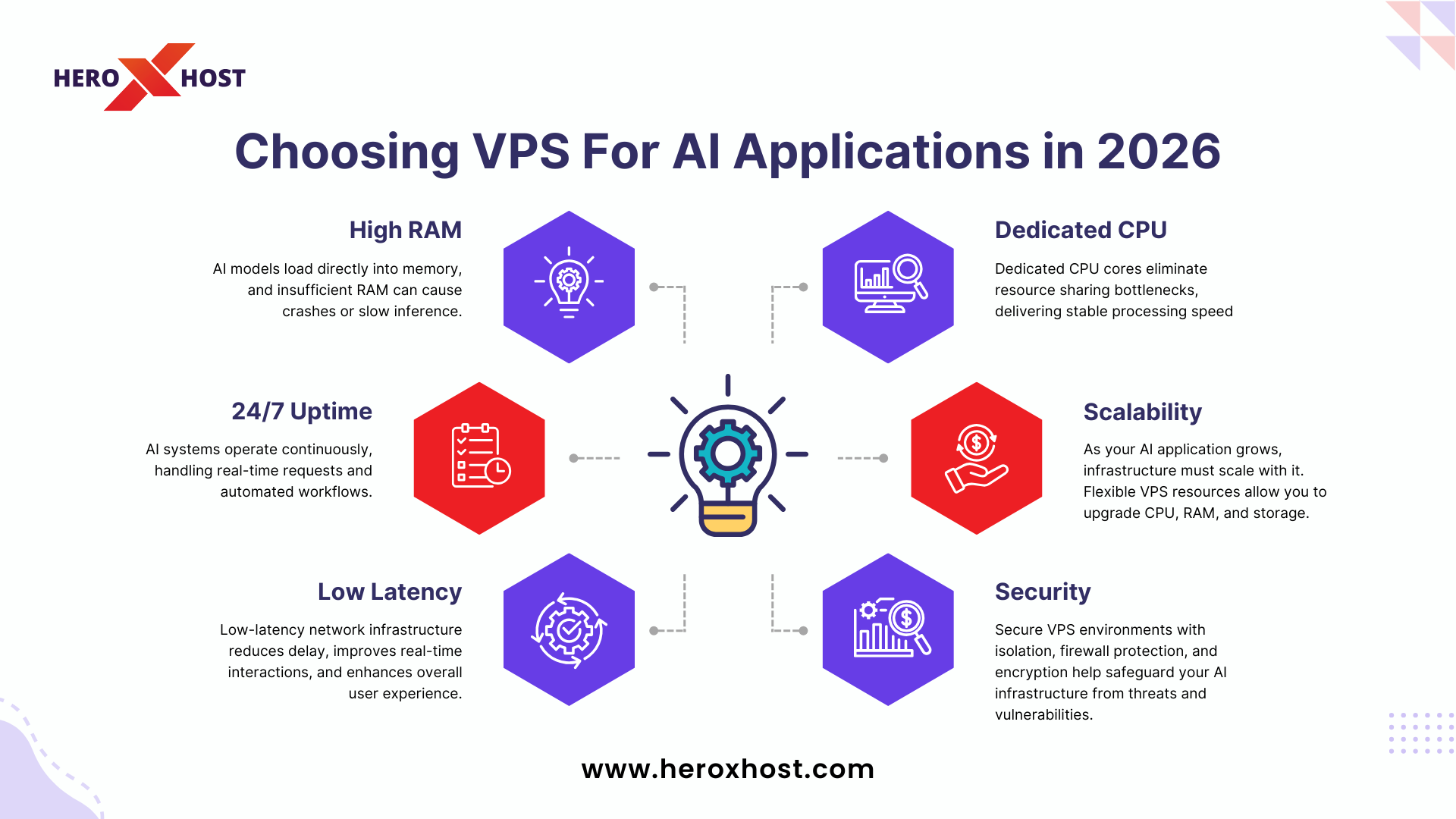
Enhancing a VPS for these tasks in 2026 includes more than just picking a plan with high RAM. It needs a particular focus on CPU direction sets and network throughput. Confirmation solvers count on rapid-fire demands. If the CPU can not process the visual data quickly enough, the session may time out or activate a secondary check. High-frequency cores are typically chosen over a high number of slower cores. This makes sure that the JavaScript execution within headless web browsers stays within the expected timing window of a human user.Network latency is the most substantial traffic jam for companies depending on external solver APIs. Every millisecond spent awaiting a package to travel in between the VPS and the solver endpoint increases the threat of a session expiration. Many technical teams are now releasing their scripts on servers located in the same geographical regions as the resolving clusters. This reduction in round-trip time is an essential aspect in maintaining high success rates for automated jobs.
Performance Benchmarks for Confirmation Systems in modern tech centers
Measuring the success of an automation stack requires taking a look at several essential metrics beyond a basic pass or fail rate. The time-to-solve (TTS) metric has become a main indication of system health. In 2026, a TTS of under five seconds is the standard for complicated image puzzles. Accomplishing this requires the automation script to be lightweight. Heavy structures that take in extreme memory can cause the VPS to switch data to the disk, which introduces massive delays and ruins the behavioral profile of the session.Focusing on Asia Virtual Solutions Link Strategy helps teams determine where the overhead depends on their current stack. Typically, the bottleneck is not the solver itself but the way the script handles the internet browser instance. Memory management in Chromium-based browsers has actually constantly been a challenge, but in 2026, developers utilize specialized flags to disable non-essential functions, such as hardware acceleration and GPU sandboxing, to keep the memory footprint low. This allows a single VPS to run more concurrent threads without sacrificing the speed of each specific solve.
Incorporating API Solutions for Automation in the local market
The choice in between regional AI-based resolving and third-party API integration depends upon the scale and the specific type of obstacle. Local options use the benefit of absolutely no network latency however need considerable regional resources, frequently needing a GPU-enabled VPS which can be costly. Third-party APIs, on the other hand, offer access to massive human-in-the-loop or AI-driven farms that can handle practically any kind of hurdle.API combination in 2026 generally uses WebSocket connections instead of conventional HTTP POST demands to keep a persistent link in between the automation script and the solver. This minimizes the overhead of consistently establishing TCP handshakes. Advanced implementations use callback URLs or webhooks. Rather of the script polling the API to see if a solution is ready, the solver presses the data back to the server once the task is finished. This method frees up CPU cycles on the VPS, allowing it to perform other data processing jobs while waiting for the confirmation to clear.
Proxy Management and Its Function in Confirmation
Even the most enhanced VPS and the fastest solver will stop working if the IP address is flagged. Proxy rotation is a vital element of the combination process. In 2026, the industry has seen a relocation away from datacenter proxies towards property and mobile IPs. These addresses carry a much higher trust rating since they are connected with real home internet connections or cellular devices.When a captcha exists, the website also tape-records the IP address of the solver. If that IP is various from the one that at first asked for the page, it can trigger a security red flag. For that reason, the finest practice is to path the solver's demand through the very same proxy utilized by the primary automation script. This keeps a constant identity for the period of the session. Success in Asia Virtual Solutions Link Strategy depends on this consistency, as any discrepancy in the network profile can cause an immediate restriction or a limitless loop of puzzles.
Enhancing the Linux Kernel for High-Concurrency Tasks
System administrators in the enterprise sector often exceed application-level tweaks and look at the os itself. Tuning the Linux kernel can provide a significant boost in how the VPS manages countless simultaneous connections. Changing the limitations for open file descriptors and tuning the TCP stack criteria, such as the window size and the timeout worths, ensures that the server does not become overwhelmed throughout peak traffic.Disabling unneeded background services is another typical action. A VPS committed to automation does not require a GUI, a mail server, or complex logging daemons. Removing the OS down to its bare fundamentals ensures that every offered CPU cycle approaches the automation script and the confirmation handling. This level of optimization is what separates a amateur setup from a high-efficiency data collection engine.
The Evolution of Browser Fingerprinting
In 2026, sites no longer look simply at cookies. They take a look at the canvas finger print, the audio context, and the way the internet browser handles typefaces. To bypass these checks, automation scripts must use advanced fingerprint masking tools. These tools intercept the browser's ask for hardware information and return values that match a common, high-trust user profile.The difficulty is that these masking tools add their own layer of processing overhead. On a poorly configured VPS, this can cause "jank" or faltering in the browser's execution. Advanced detection systems can see this stuttering and conclude that the user is actually an automated script. Therefore, the hardware must be effective enough to handle the finger print spoofing in real-time with no noticeable drop in efficiency.
Resource Management and Scaling Strategies
Scaling an automation job needs a modular approach. Instead of running one huge server, lots of business in the regional tech field use clusters of smaller sized VPS circumstances. This dispersed technique supplies much better fault tolerance. If one server is flagged or experiences a hardware issue, the rest of the cluster continues to function. Containerization has also become a requirement. Utilizing lightweight containers enables designers to deploy their whole stack, including the browser, the script, and the optimization settings, throughout different VPS providers with very little setup. This flexibility is important in 2026, as it permits rapid shifts in infrastructure if a particular hosting provider's IP range ends up being less efficient for certain targets.
Future Patterns in Automated Solving and Detection
As we move even more into 2026, the fight between bot detection and automation continues to heighten. Using machine learning to generate more human-like behavior is no longer a high-end but a requirement. Automated systems are now being trained on vast datasets of human interaction to mimic the subtle abnormalities of genuine users. This pattern likewise reaches the confirmation puzzles themselves. We are seeing more "gamified" captchas that require a level of semantic understanding that easy OCR can not supply. The solvers of tomorrow will need to understand context and intent, which will need even more combination in between local VPS resources and high-end cloud AI. Efficiency in this environment is not almost speed however about the quality of the interaction.
Upkeep and Tracking of High-Performance Stacks
A set-it-and-forget-it technique does not work in the world of high-speed automation. Real-time tracking of the VPS is important to identify when a website has updated its security measures. Sudden drops in success rates or increases in fix times are early warning signs that the combination needs modification. Tools that track CPU usage, RAM consumption, and network I/O help identify when a server is reaching its limitations. In numerous cases, a basic reboot or cleaning of the web browser cache can fix performance deterioration. Nevertheless, more serious concerns may need a total modification in the fingerprinting method or a move to a various class of proxy. Continuous screening and version are the hallmarks of an effective operation in 2026. Regardless of the particular technical goal, the underlying concepts of hardware optimization and efficient API usage remain the structure of success.