Unlocking Actionable Marketing Data Intelligence

A contemporary SEO competitive analysis requires to look beyond just organic traffic from online search engine. Looking at other traffic sources, like AI referrals, can uncover channels you aren't yet leveraging that your competitors are. For a deeper dive into multiple traffic sources at one time, use Semrush's Traffic & Market Toolkit.
You can go into particular channels even further for more specific insights. Like which particular AI tools are sending your competitors referral traffic, how those sources have actually trended with time, and even the particular pages that are seeing the most development from those traffic sources. This is helpful for determining new channels that could drive traffic to your own site.
In the design template, fill in the tables with rival data and use the observation questions to document how each pattern impacts your technique. To analyze the keyword footprint of your competitors, identify all the search terms they rank for, the subject clusters they come from, and how your own rankings compare.
AI-Driven Keyword Data Impact SEO
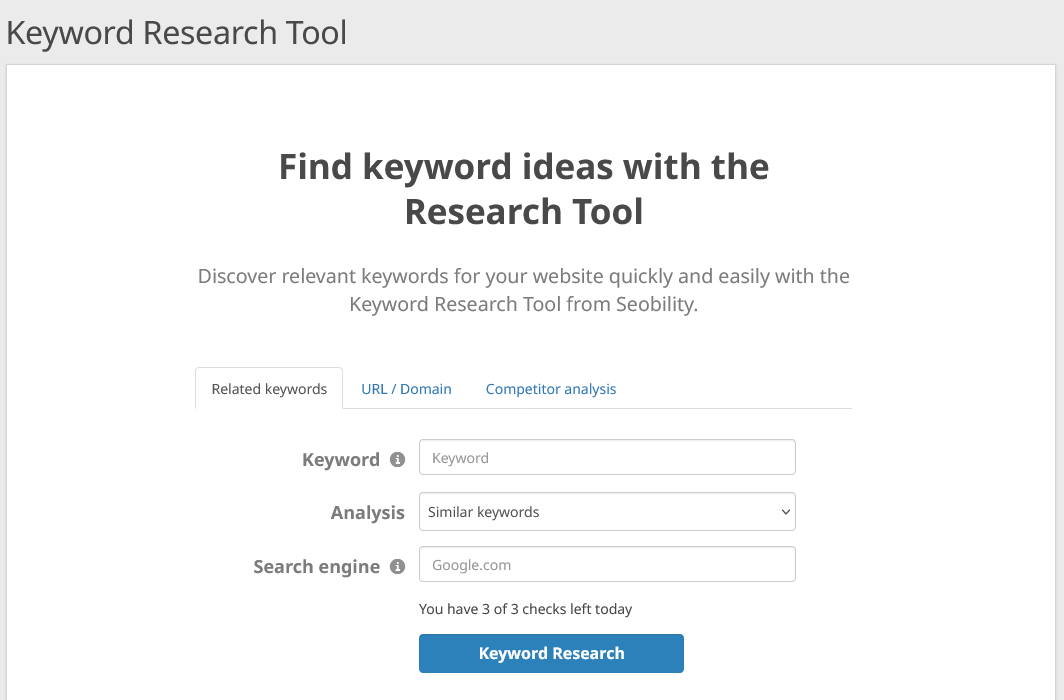
Add your domain and your competitor's, then click "."Scroll down to the "All keyword information for" area and select "" to see all the keywords your domain doesn't rank for, utilizing the "" filter at the leading to just show keywords your rival ranks for in the leading 10.
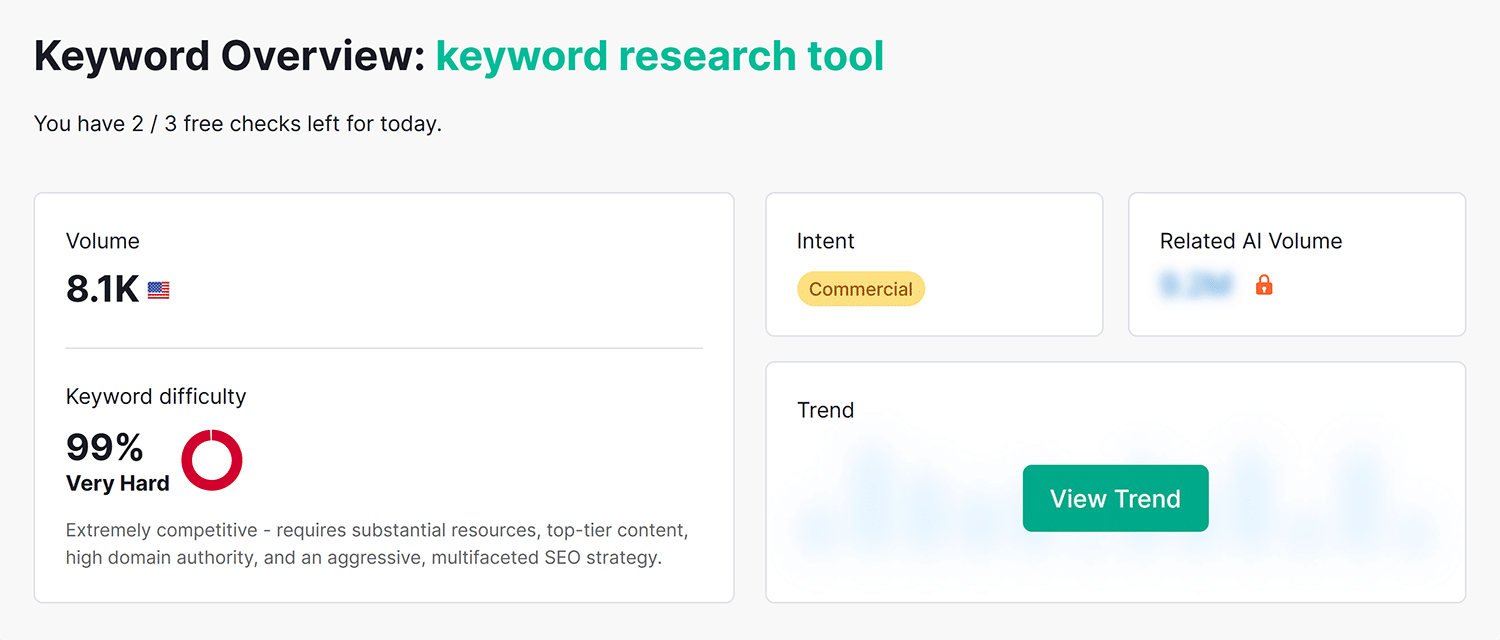
Try to find keywords that pertain to your own business offerings. Don't just concentrate on search volume or keyword trouble. These are beneficial metrics for rough prioritization. However an "easy" keyword with 2K regular monthly search volume isn't worth targeting if there's very little possibility of it leading to conversions. Add pertinent keywords to a spreadsheet, and when you're completed, download it as a CSV file.
To do this, upload your CSV with the keywords to your preferred AI tool and include the prompt listed below:"This CSV file contains a list of keywords my rival [NAME] ranks for, but my website does not. Each keyword contains its search intent, typical regular monthly search volume, and keyword trouble. Examine the file and extract the main topic clusters the site targets."When the AI analysis is total, you ought to get an outcome similar to this: Use this info to select the topics where you require to reinforce your exposure.

Unlocking Actionable Marketing Data Intelligence
Examine your rivals' presence in AI features like Google's AI Overviews and AI Mode to understand what's working for them beyond basic natural rankings. Do this with the Semrush AI Visibility Toolkit to track your exposure compared to your rivals gradually, and to see what specific triggers they appear for that you do not.
Enter your domain and up to four rivals to see your visibility, audience size, and number of points out over time. This shows you all the prompts your competitors are appearing for that you're not, sorted by subject.
Look for triggers that are relevant to your business that you don't currently stand for. These are triggers you can enhance for within existing material, or you can produce new material around them. Include your AI presence findings to the design template. Log the triggers, the outcomes, and any patterns.: To go even more with this part of the analysis, take a look at our guide to finding AI visibility spaces.
Is the rival taking a strong position, or producing a neutral introduction? If you're producing or upgrading a comparable page, this analysis can inform the audience you might want to speak to.
Comparing SERP Tracking Methodologies
Next, map the H2s on your rivals' leading pages. This can show you subtopics the competitor is targeting within their content. You shouldn't simply blindly copy this, however if you see several high-ranking rivals structure a page in similar methods, that structure is likely what Google is rewarding. Take a look at format options too.
How AI-Driven Search Trends Shape SEONext, inspect how rivals frame the page in search outcomes. Does the title lead with the primary keyword?
Analyze your competitor's backlinks to find chances to develop links to your own website and boost your authority. Look at patterns to comprehend your rivals' link building efforts, then run a backlink gap analysis.