Finding Hidden Opportunities Within Competitive Search Intelligence
Predictive Analytics and the New Meaning of Search Intent in 2026
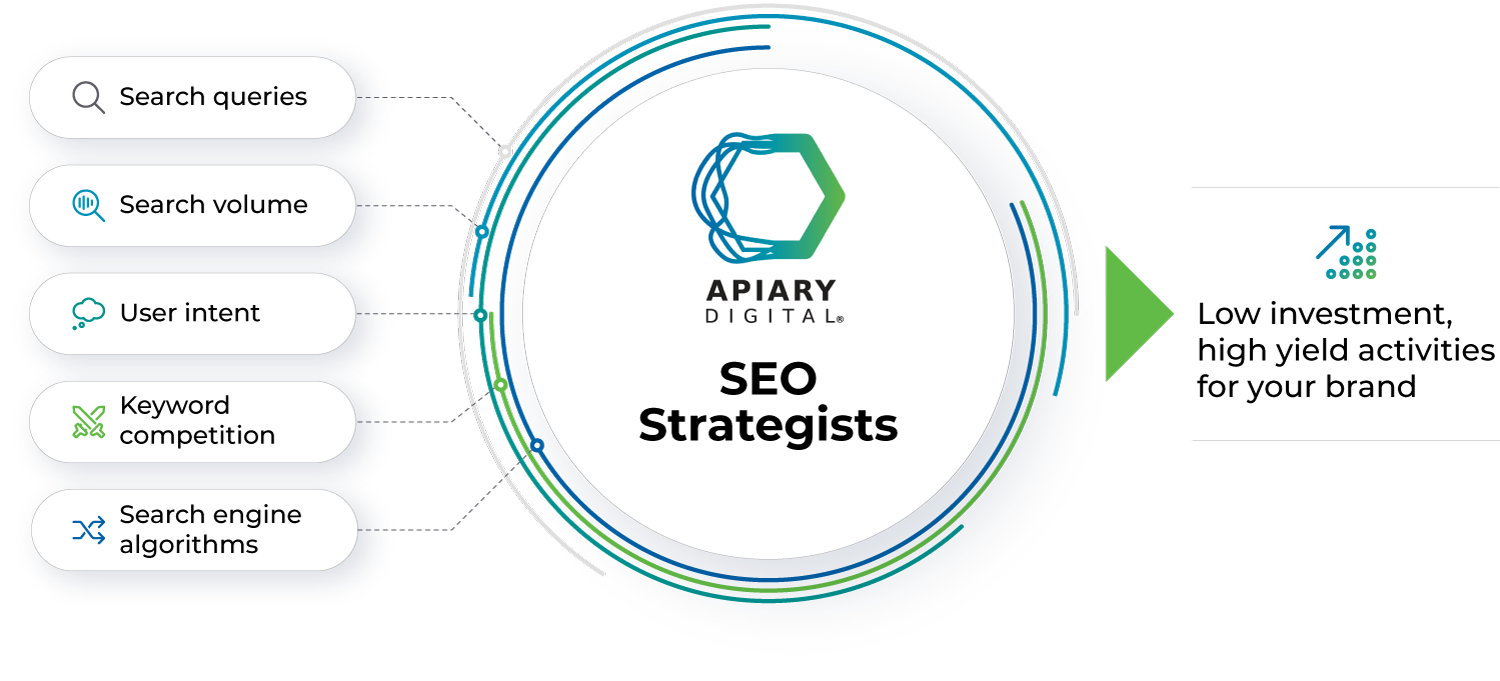
Keyword planning in 2026 has moved away from the easy matching of text strings. For many years, search specialists looked at monthly volume and trouble scores as their primary guides. Now, the focus has actually shifted toward neural mapping and behavioral forecasting. Systems in 2026 analyze the underlying mental state of a person before they even complete typing. This shift suggests that understanding why someone look for technical solutions is much more valuable than just understanding what they typed.
Modern online search engine now use predictive models to determine if a user is looking for an instant solution, a comparison, or purely academic data. This has changed how organizations in the local market technique their digital presence. Instead of targeting broad terms with high volume, the goal is to line up material with the particular phase of the decision-making process. Precision in 2026 is determined by how well a page answers a specific need, rather than how lots of keywords it contains.
The Evolution of Intent Category for 2026 Techniques
The standard classifications of intent-- educational, navigational, and transactional-- have actually been broken down into much smaller sized, more particular sub-categories. In 2026, we see the increase of "micro-intent" signals. These consist of "immediate-fix" intent, "long-term-research" intent, and "cross-platform-comparison" intent. Each of these requires a various kind of content response. Somebody looking for professional assistance in the surrounding region might be in a different psychological state than someone looking for the very same thing on a global scale.
Data processing tools now allow for the identification of these micro-intents by taking a look at previous behavior and current situational variables like time of day, device type, and even physical place. Numerous companies are finding that success depends on Asia Virtual Solutions Niche Research to bridge the space in between user curiosity and actual conversion. By categorizing keywords by the specific problem they fix rather than the word itself, visibility ends up being more targeted and reliable.
Predictive Trends and Behavioral Forecasting
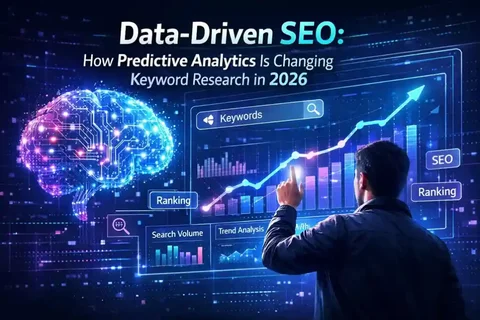
Among the biggest modifications in 2026 is the ability to forecast search patterns before they occur. Predictive analytics utilize historical information and current cultural shifts to suggest terms that will likely see a rise in interest. This allows for the creation of content that is all set to rank before the peak need gets here. In sectors like specialized industries, being first to respond to a new kind of question is a massive benefit.
Online search engine in 2026 also prioritize "intent consistency." If a page begins as an educational guide but quickly shifts into a high-pressure sales pitch, its rankings frequently suffer. The algorithm checks if the content maintains its promise to the user throughout the whole interaction. For those operating in metropolitan areas, this means that the tone of the material must be as localized and particular as the keyword being targeted.
Conversational Intent and Multi-Modal Search
Voice and AI-assistant inquiries represent a huge portion of search traffic in 2026. These inquiries are naturally longer and more conversational. Individuals no longer search for "best service provider"; they ask their devices, "Who can help me with my specific needs near my current location right now?" This has actually made long-tail keywords the main focus of keyword preparation. The intent behind these conversational questions is frequently highly particular and time-sensitive.
Multi-modal search-- where users combine images, text, and voice-- has added a brand-new layer of intricacy to intent. A user might take a photo of a product and ask, "Where can I discover something like this?" Keyword planning must now account for these detailed, visual-heavy questions. Material that explains visual components and physical qualities is seeing more success in 2026 than content that only concentrates on industry lingo.
The Rise of Zero-Click Intent Management
A considerable portion of searches in 2026 end on the outcomes page itself, as AI summaries provide the essential answers. While some see this as an obstacle, clever strategies utilize it to develop authority. Managing "zero-click" intent includes offering clear, succinct data that AI can easily pull into summaries. Reports reveal Asia Virtual Solutions Keyword Niche Research provides the required information for scaling operations while preserving brand existence in these summed up outcomes.
When the intent is purely informational, like checking a price or a local address in the local area, the online search engine typically provides the response directly. Techniques in 2026 concentrate on being the source of that details. By providing the finest structured information, an organization guarantees that even if a user does not click through to the site, they have interacted with the brand's confirmed data.
Localized Intent Patterns in the region
Regional search intent has actually ended up being highly nuanced in 2026. It is no longer sufficient to simply point out a city name. Online search engine now understand communities, regional landmarks, and even regional slang or dialect. Somebody searching in local neighborhoods has different expectations than someone in a different part of the country. Intent is typically connected to physical distance and regional track record.
For service-based services, this suggests that keyword planning should consist of hyper-local terms that show the community. If the search intent is to discover a supplier within a 10-minute drive, the material should clearly signify that it meets this criterion. Regional intent in 2026 is likewise greatly influenced by real-time accessibility. Inquiries frequently consist of "open now" or "offered today," making live data combination an essential part of search presence.
- Determine the specific issue the user is attempting to fix.
- Analyze the psychological state related to various professional inquiries.
- Use 2026 predictive tools to discover emerging terms before they peak.
- Ensure content format (video, text, or audio) matches the intent.
Carrying Out an Intent-First Method
The initial step in a 2026 keyword strategy is to audit existing material for intent positioning. Often, pages that were produced for older search designs are too broad. Breaking these down into smaller, intent-focused pieces can assist capture more particular traffic. For example, a page about a general topic could be split into several pages addressing different phases of the user's path.
Monitoring the "people likewise ask" and "suggested next actions" sections of 2026 search results page supplies a window into how engines are mapping intent. If the recommendations are moving towards more technical concerns, the keyword technique requires to follow suit. The objective is to be the most useful resource for the specific intent, rather than the most popular page for a generic word. This level of detail is what separates successful brand names in the surrounding region from those that have a hard time to maintain their rankings.
Success in the existing 2026 environment requires continuous adaptation. As AI models become more skilled at understanding human subtlety, keyword planning should become more human-centric. By focusing on the why behind the search, services can build a more resilient digital presence. This technique makes sure that when a user in the local area appearances for a solution, they find content that feels customized to their specific needs at that minute.
The dependence on information analytics has actually never ever been greater, however the interpretation of that data needs a deep understanding of human behavior. By combining 2026 predictive patterns with a sharp focus on intent, companies can guarantee they are noticeable at the exact moment it matters most. This shift marks completion of the keyword as a mere string of characters and its rebirth as an intricate signal of human requirement.