Checking out the Synergy Between AI and Captcha Fixing
Modern Hardware Standards for 2026 Browse Nodes
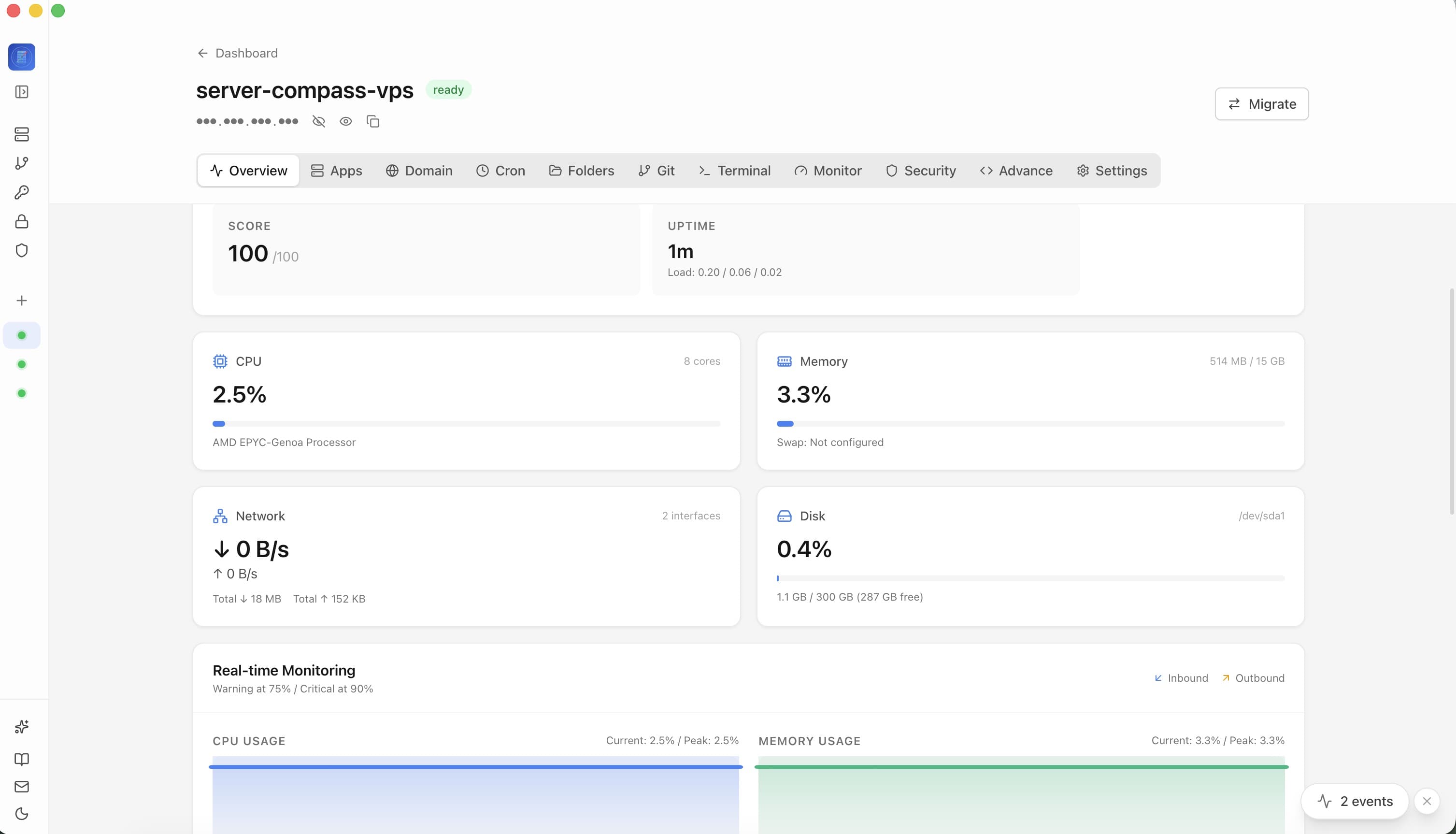
Browse automation in 2026 needs more than simply basic computing power. The shift toward AI-integrated search engines suggests that spiders must process heavy JavaScript and interactive elements that were as soon as secondary. For a virtual private server to stay efficient, it should include at least 8 virtual cores based upon current-gen architecture. High clock speeds are now more crucial than raw core counts, as the majority of headless browser instances are single-thread extensive.
Storage has actually moved previous standard SSDs. In 2026, NVMe Gen5 drives are the standard for high-volume data intake. These drives deal with the consistent read-write cycles of large-scale scraping without the latency spikes seen in older hardware. Memory also plays a vital function. DDR5 RAM with ECC assistance is required to prevent information corruption throughout 24/7 operation. The majority of experts recommend a minimum of 32GB of RAM for a basic automation node to deal with the memory leakages often associated with long-running internet browser sessions.
Effectiveness in these environments is often tied to how well the server manages concurrent demands. Systems running in the local market gain from lower physical range to local data centers, decreasing the time to first byte. Technical teams typically prioritize Asia Virtual Solutions Tutorials to maintain high exposure and ensure that data collection remains constant throughout the year.
Network Architecture and Latency in regional clusters
The network stack is where numerous 2026 automation setups stop working. Modern online search engine use HTTP/3 and QUIC protocols practically exclusively, which require specific UDP port configurations and optimized network buffers. A VPS should provide a 10Gbps uplink to ensure that package loss does not thwart a crawling schedule. This high bandwidth permits for the synchronised management of numerous socket connections without saturating the interface.
Latency is a quiet killer for search automation. Even a 50ms hold-up can lead to an online search engine identifying a bot due to abnormal response patterns. Deploying servers in the surrounding region helps simulate local user habits. By putting nodes closer to the target search engine's edge servers, automation tools can accomplish response times that mirror human browsing.
Many companies have found success by concentrating on Asia Virtual Solutions Tutorials as part of their wider data strategy. This involves selecting VPS service providers that provide Anycast DNS and enhanced routing tables. In 2026, the web is more fragmented than ever, and a server with poor routing will face regular timeouts and blocks, despite how powerful its CPU is.
Software Optimization for Headless Surfing
Headless internet browsers like Playwright and Puppeteer have ended up being the main tools for search automation in 2026. These tools are resource-heavy, often needing substantial tuning at the OS level. Linux stays the favored operating system, specifically distributions like Ubuntu 26.04 LTS or specialized variations of Debian.
To optimize these environments, designers must adjust the Linux kernel's file descriptor limitations. Default settings are typically too low for high-concurrency scraping, resulting in "Too lots of open files" mistakes. Increasing the ulimit and tweaking the TCP stack for faster connection recycling can improve throughput by up to 40%.

Another essential optimization involves using containerization. Running automation scripts inside Docker or Podman enables for much better resource isolation. It also makes it easier to release updates across numerous nodes without manual intervention. This modular approach prevails for groups handling search tasks in various metropolitan areas, where they require to spin up or closed down instances based on real-time search patterns.
IP Management and Credibility Filtering
The most significant hurdle for search automation in 2026 is IP track record. Search engines have released innovative fingerprinting methods that look beyond just the IP address. They evaluate the MTU (Maximum Transmission Unit), TCP window size, and even the OS uptime to figure out if a visitor is a genuine user or a VPS.
Utilizing a fixed datacenter IP is rarely enough. A lot of effective setups now utilize a hybrid method, integrating a high-performance VPS with a property proxy overlay. This allows the heavy processing to occur on the server while the real demand appears to come from a local property connection in a nearby territory.
Reputation management likewise requires mindful rotation. A VPS that remains on the same IP for too long while performing high-frequency searches will become flagged. Automation scripts in 2026 ought to include logic to spot "soft blocks" like CAPTCHAs or concealed content and immediately rotate the IP or change the scraping cadence. Preserving a clean track record is a full-time task that requires constant monitoring of blacklists and medical examination.
Scaling Automation with Containerized VPS Solutions
Scaling search automation is no longer about purchasing a larger server. It is about horizontal scaling-- adding more little nodes rather than one giant one. This method supplies redundancy. If one node in the local area gets blocked or deals with a hardware failure, the remainder of the fleet continues to operate.
Kubernetes has actually ended up being the requirement for handling these fleets in 2026. It allows for automated load balancing and self-healing. If a scraper begins consuming excessive memory or ends up being unresponsive, the orchestrator eliminates the pod and starts a fresh one. This keeps the general system health high and makes sure that search information remains precise and timely.
Resource limitations are important when scaling. Each container must have stringent CPU and memory caps to prevent a single runaway process from crashing the whole VPS. By fine-tuning these limits, a single physical server can host lots of micro-containers, each performing a specific search task. This level of granularity is what separates professional operations from amateur setups.
Security and SSL/TLS Overhead in 2026
Security protocols have actually developed, and the overhead for SSL/TLS handshakes is a significant consider VPS efficiency. Online search engine in 2026 require TLS 1.3 or 1.4, which are much faster than older variations but still need CPU cycles for every new connection. VPS suppliers that use hardware-accelerated encryption see better efficiency in search automation jobs.
The server must be protected against external risks. A VPS used for automation is frequently a target for bad actors who want to use its bandwidth for their own purposes. Executing a strict firewall that just allows outbound traffic on particular ports and incoming traffic from a VPN or a particular management IP is a standard requirement.
Routine updates are likewise non-negotiable. In 2026, brand-new browser vulnerabilities are discovered weekly. An outdated headless web browser is not only a security danger however likewise more likely to be found by online search engine bot-detection algorithms. Automating the upgrade procedure makes sure that the VPS is constantly running the latest spots, which assists in maintaining a high success rate for data extraction.
Strategic Placement in Regional Hubs
The geography of search automation is frequently overlooked. Search results are highly localized in 2026, indicating a search for a particular technical term in one city will yield various outcomes than in another. To get a true image of the search engine results page (SERP), automation nodes need to be physically located in the region they are targeting.
Deploying a VPS in the target market allows the automation tool to see precisely what a regional user sees. This consists of regional map packs, local news, and localized advertisements. This data is important for services that run on a regional level and need to track their presence against rivals in specific areas.
Using localized nodes also assists in bypassing particular local firewall softwares and content filters. Some search engines use different ranking algorithms based upon the stemming nation or state. Having a footprint in the relevant region guarantees that the data collected is not altered by worldwide filtering or general international rankings that may not apply to a local audience.
Final Technical Considerations for 2026
Looking toward completion of 2026, the convergence of AI and search will just increase the hardware requirements for automation. VPS service providers are currently beginning to offer GPU-accelerated instances for search jobs that involve image acknowledgment or natural language processing on the fly. While not every task requires a GPU, those included in intricate data analysis discover them significantly helpful.
Tracking is the final piece of the puzzle. A VPS setup is just as great as the exposure the administrator has into its performance. Utilizing tools that track CPU use, memory pressure, and network latency in real-time permits proactive adjustments. If the server starts hitting its limitations throughout peak search hours, the system can automatically scale up or move tasks to off-peak times.
In summary, the optimum VPS setup for 2026 is one that balances high-performance hardware with optimized network routing and smart software management. By concentrating on low latency in the local market and maintaining a tidy IP reputation, technical groups can guarantee their search automation remains effective in a significantly intricate digital environment. Success needs a dedication to consistent tuning and an awareness of the changing technical standards of the modern-day web.